

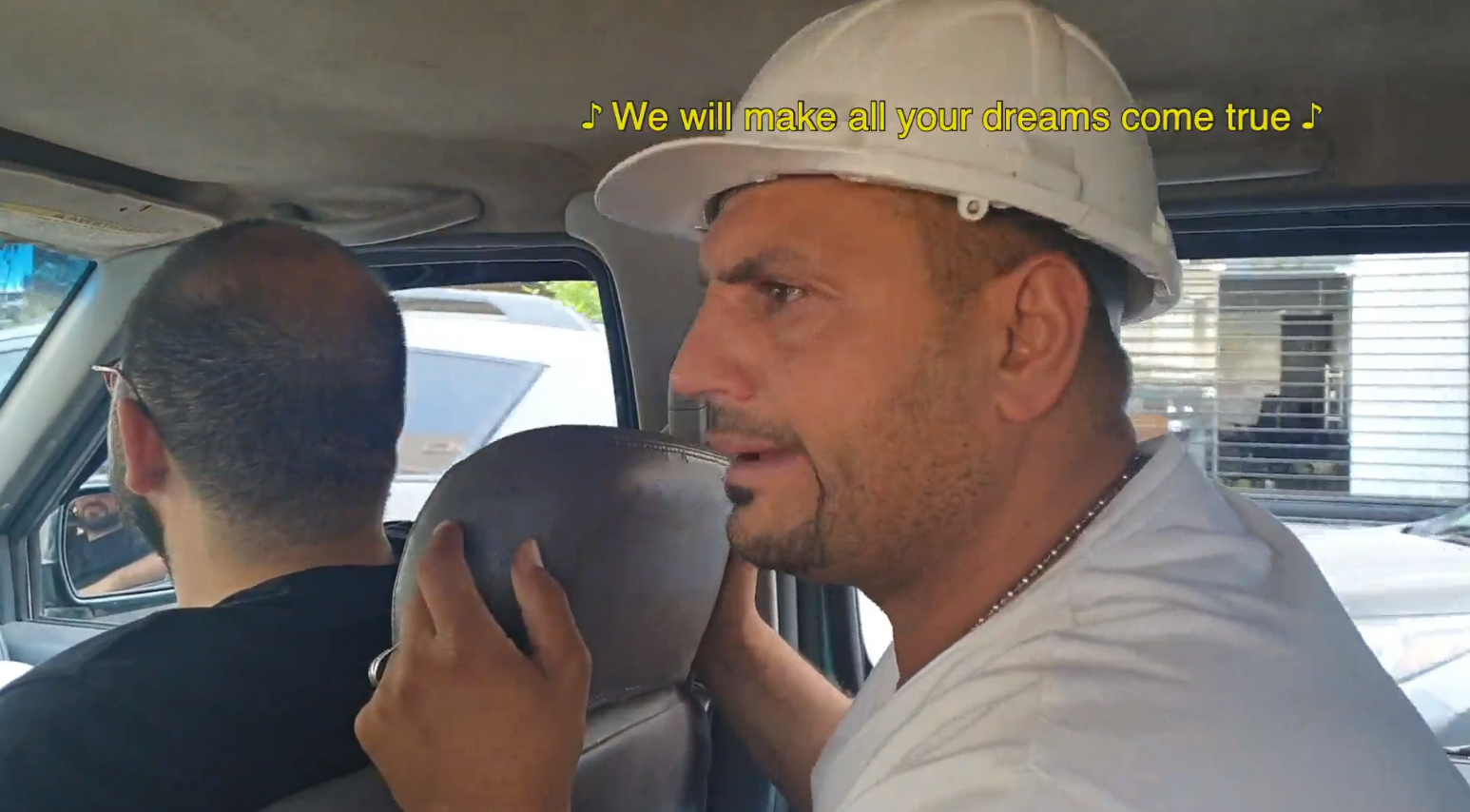
Streetschool is the third module of the School for Arab Futures. It is a collective design-and-build module that transforms the city into a classroom. Participants collaborate to design and construct a semi-permanent public learning structure in Ramallah, using only donated, found, renewable, or freely available materials. There is no procurement budget; resourcefulness is part of the pedagogy.
Streetschool treats construction, conversation, and public presence as intertwined acts of learning. The structure functions as a site for workshops, discussions, gatherings, and informal encounters, inviting passersby into the process. The module foregrounds questions of access, hospitality, care, and ethics in public space.
Program Structure & Timeline
The Module runs from June 22 to July 14, 2026. It begins with a one-day intensive masterclass, followed by a more flexible period of independent and collective work, supported through mentorship and regular check-ins.
Throughout the module, lectures, talks and reading/writing workshops will be conducted in the A.M. Qattan Foundation building lobby, through which students will engage with artists, writers and art practitioners who will speak about their practices.
What You'll Work On
Over the course of one month, students will collaboratively design and construct a full-scale Streetschool prototype in Ramallah. They will utilize scavenged and renewable resources such as wood, tires, and recovered construction materials to build a physical public space. Working alongside local craftspeople and neighbors, students will manage the entire build process—from sourcing materials and co-designing to on-site construction. Throughout, they will document the project for a video documentary, a shared archive, host a community activation event, and create a care plan for the structure's future.
Who Can Apply
Streetschool is suited for architects, designers, artists, builders, and researchers interested in public space, participatory practice, and hands-on making. It values collaboration, adaptability, and care over individual authorship.
Working languages: Arabic and English.
What You Gain
• Hands-on experience designing and constructing a full-scale public structure
• Training in collective design-and-build processes under real constraints
• Direct engagement with public space as a site of learning and negotiation
• Experience sourcing and working with donated, found, and renewable materials
• Collaboration with local craftspeople and community members
• Practical knowledge of site analysis, material strategy, and construction logistics
• Participation in a public activation and community event
• Inclusion in the project's video documentation and shared archive
• Mentorship from local and regional practitioners
• A certificate of completion
Expectations and Commitment
• Full-time participation across the module period
• Willingness to work outdoors and in public space
• Collective design, building, and problem-solving
• Engagement with local materials, constraints, and conditions
• Participation in documentation and public activation
• Participation in workshops, discussions, and public sessions at A.M. Qattan Foundation
How to Apply
Submit: https://system1.formstack.com/forms/streetcall_s
Deadline: June 6, 2026. Selected applicants will be contacted by June 15, 2026. Short conversations with shortlisted candidates may take place during the selection process. Selection is conducted jointly by the Institute for Worldmaking and A.M. Qattan Foundation.
About the Institute for Worldmaking
The Institute for Worldmaking (IWM) is a global cultural research lab and public platform based in Lebanon, developing tools, frameworks, and experimental educational models to imagine and document future-oriented cultural production across the Arab world. Operating at the intersection of design, publishing, archival practice, and artificial intelligence, IWM builds long-term knowledge infrastructures that connect artists, craftspeople, researchers, and institutions into shared systems of cultural production.
Through projects such as FAHRAS (Futurist Arab Index), WRKBK (Craft Industries Index), and HEKMAT.ai, the Institute works to develop participatory, public-interest knowledge platforms that foreground local agency while engaging global conversations on culture, technology, and the future.
About the School
The School for Arab Futures (ScAFu) is an experimental educational platform developed by the Institute for Worldmaking and implemented across multiple cities in the region. Each edition is site-specific, responding to local conditions while contributing to a growing, cumulative body of research, documentation, and speculative design.
The School is led by Raafat Majzoub, Director of the Institute for Worldmaking—MIT alumnus, lecturer, editor, and author—whose work spans architecture, publishing, speculative research, and experimental education. Through ScAFu, he brings together students, practitioners, and institutions to collectively imagine new cultural, spatial, and technological futures rooted in the realities of the Arab world.